Barron's mobile app
Sole PM for the Barron's app on iOS and Android, with five engineers: the roadmap, the release cadence and how the app performed in the stores.
- Company
- Dow Jones
- Role
- Sole product manager
- Team
- 5 engineers
- Timeline
- 2021 – 2023
- Platforms
- iOS, Android
- Type
- Feature
TL;DR
- Problem
- Barron's is Dow Jones's investing publication, and its app is where a subscriber reads it, follows topics and tracks a watchlist. It sits inside Dow Jones's consumer subscription products, which reach 10M+ monthly users.
- What I did
- I was the sole product manager for the Barron's app on iOS and Android, with five engineers. I owned the roadmap, the release cadence and app-store performance.
- Result
- With one PM and two platforms, every release is a trade between keeping the app healthy and giving subscribers a new reason to open it. My approach: one roadmap that ranks both, a release rhythm the team can plan around, and the store treated as part of the product.
Context & problem
Barron’s is Dow Jones’s investing publication, and its app is where a subscriber reads it on a phone: the top stories, the topics they follow, a watchlist with real-time quotes, and the magazine. At Dow Jones I was the app’s sole product manager, on iOS and Android, with five engineers.
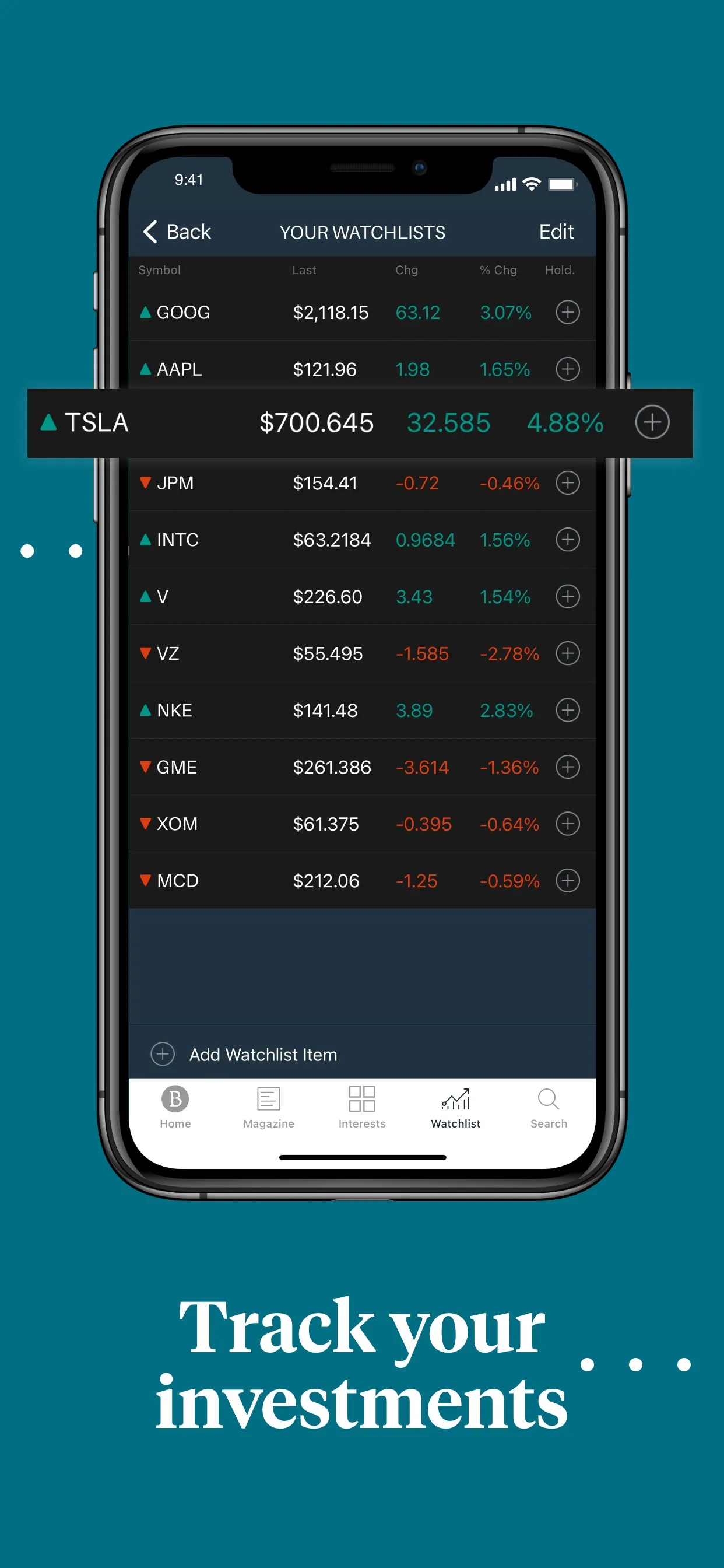
The app is a subscription product inside Dow Jones’s consumer subscription business, whose products reach more than 10 million monthly users. The App Store listing from mid-2021, shortly before I joined, shows what it offered: a Top Stories home, an Interests grid for following topics, a watchlist with real-time quotes, a magazine archive and the article view, with a bottom bar of Home, Magazine, Interests, Watchlist and Search.
On an app like this, the problem a sole PM owns is allocation more than any one feature. Five engineers and two platforms cannot do everything at once. Each release is a choice between the work that keeps the app healthy, so it opens quickly, stays stable and keeps pace with each platform, and the work that gives a subscriber a new reason to open it. Nobody else on the team sits in the seat that makes that choice. My job was to make it on purpose and to be able to defend it.
Which articles the home feed showed was chosen by an ML personalization system that served WSJ and Barron’s. That is a separate case, where my part was the success metrics and the A/B testing.
Discovery & insight
As the only PM, I am where the inputs meet, so discovery is a standing habit more than a phase. On a subscription app the inputs worth weighing are what subscribers say in store reviews, what the product analytics show about how they use it, what the newsroom needs the app to carry, and what engineering says the platforms need. Each one has its own bias. Reviews over-represent the frustrated, analytics show what people did but not why, and the newsroom and engineering each argue for their own work. The roadmap is where they get weighed against each other.
The insight I hold on to for this kind of product is that the store is part of the product. A prospective subscriber decides partly from the listing and the reviews, and an existing subscriber’s patience is set by the days the app misbehaves more than by the days it works. That is why app-store performance belongs next to the roadmap and the release cadence, and not in a report afterwards.
HypothesisBy changing how each release gets chosen to one roadmap for both platforms that ranks platform health and subscriber features against each other for Barron's subscribers on iOS and Android, we expect app-store performance to move, because subscribers judge a paid news app on its reliability as much as on its features, and the store is where that judgment shows up first.
Strategy & bets
Three things were mine to decide and defend: the roadmap, the release cadence and app-store performance. The bets below are how I approach each one.
One roadmap, both platforms. With five engineers, separate plans for iOS and Android make each one thinner and let the two apps drift apart. A single roadmap means a subscriber gets the same app whichever phone they carry, and platform health and new features compete in one ranked list instead of in two conversations.
A cadence people can plan around. The bet on cadence is predictability. A regular rhythm on both platforms lets the newsroom and the business know when something can reach subscribers, and it keeps each release small enough that when something breaks, the cause is easy to find.
The store as a product surface. I read reviews as a running feed of what is broken and what is missing, and the listing as the first screen a prospective subscriber sees. A fix that removes a recurring complaint can be worth more than a new feature, and the roadmap should be able to say so.
Solution
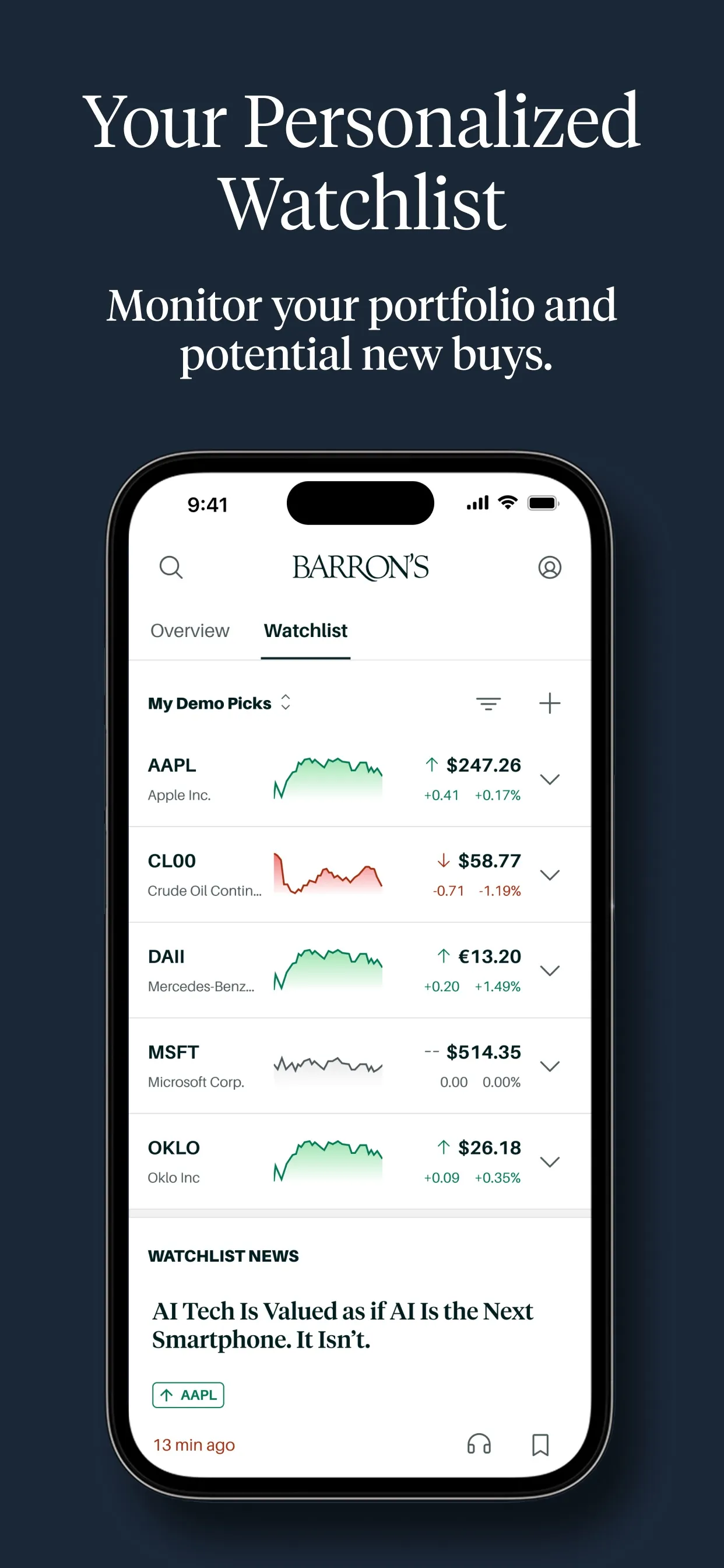
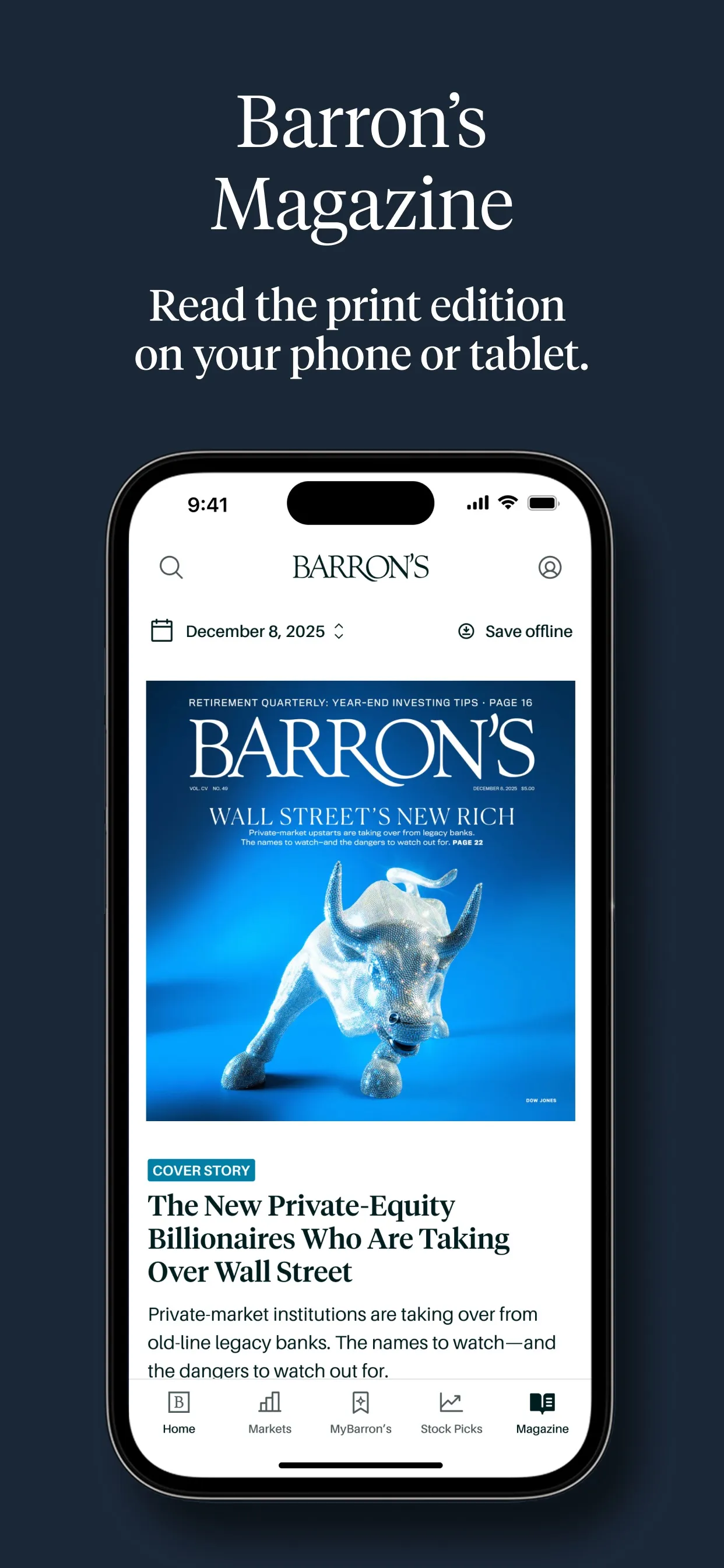
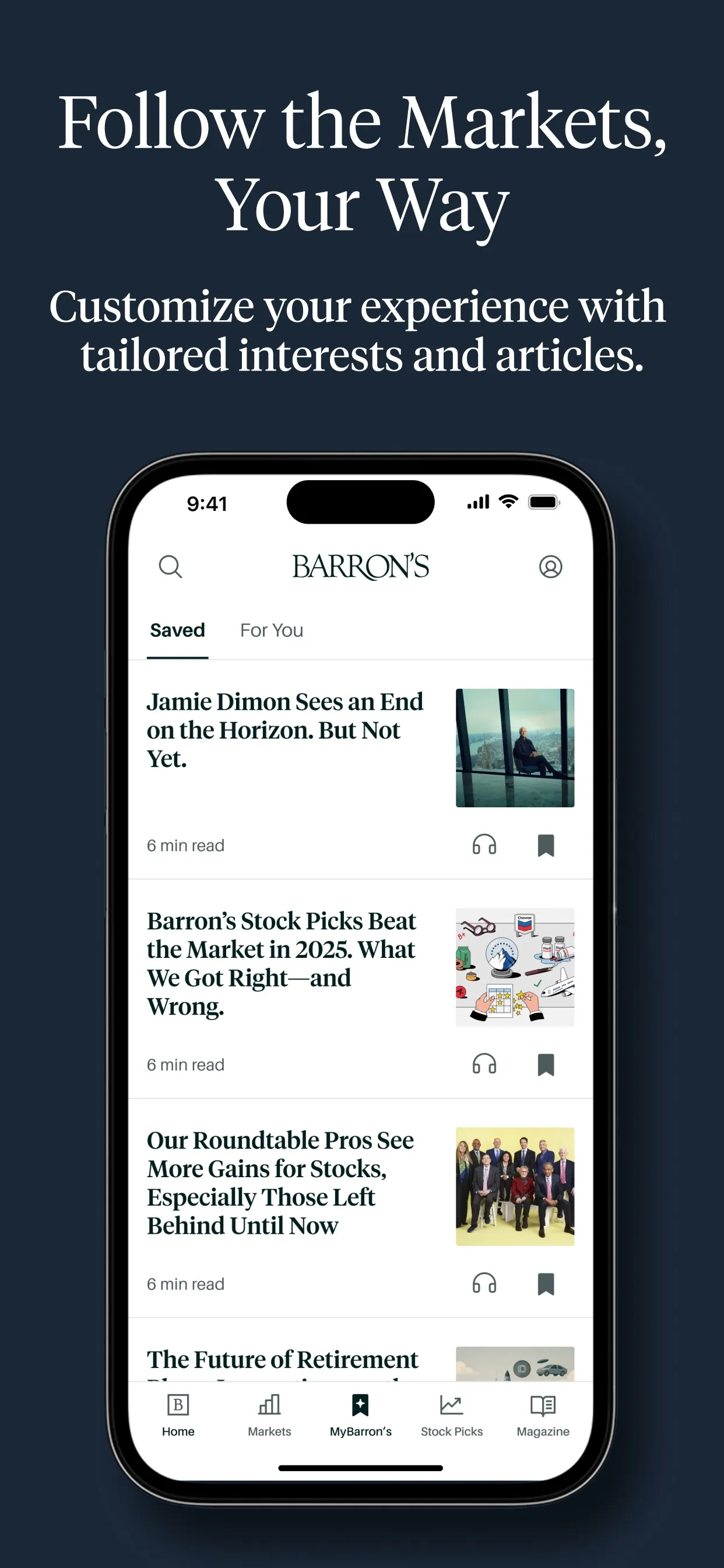
The five panels below are the Barron’s app as the App Store presented it. They were listed just before I joined and were still the listing when I left, so they show the product I was responsible for rather than any single release.
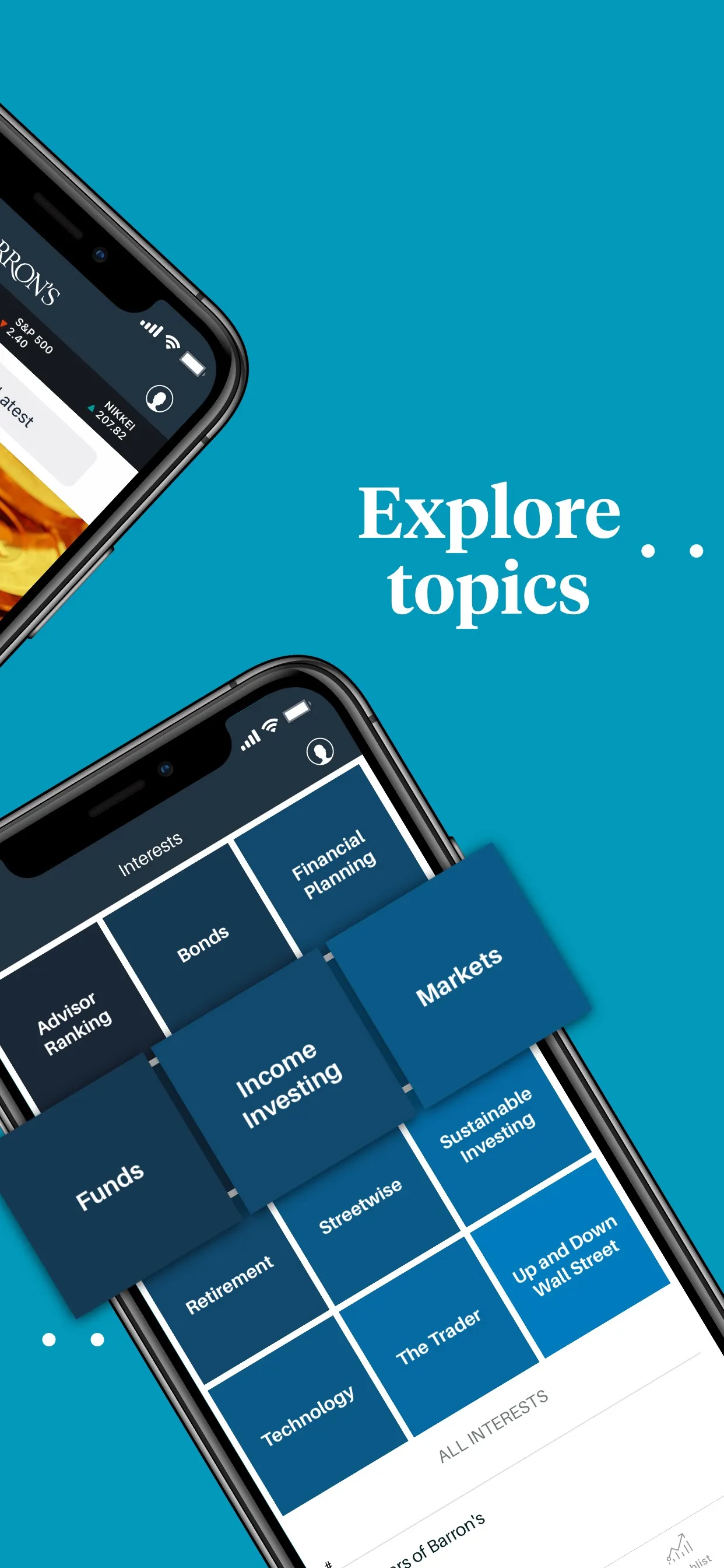
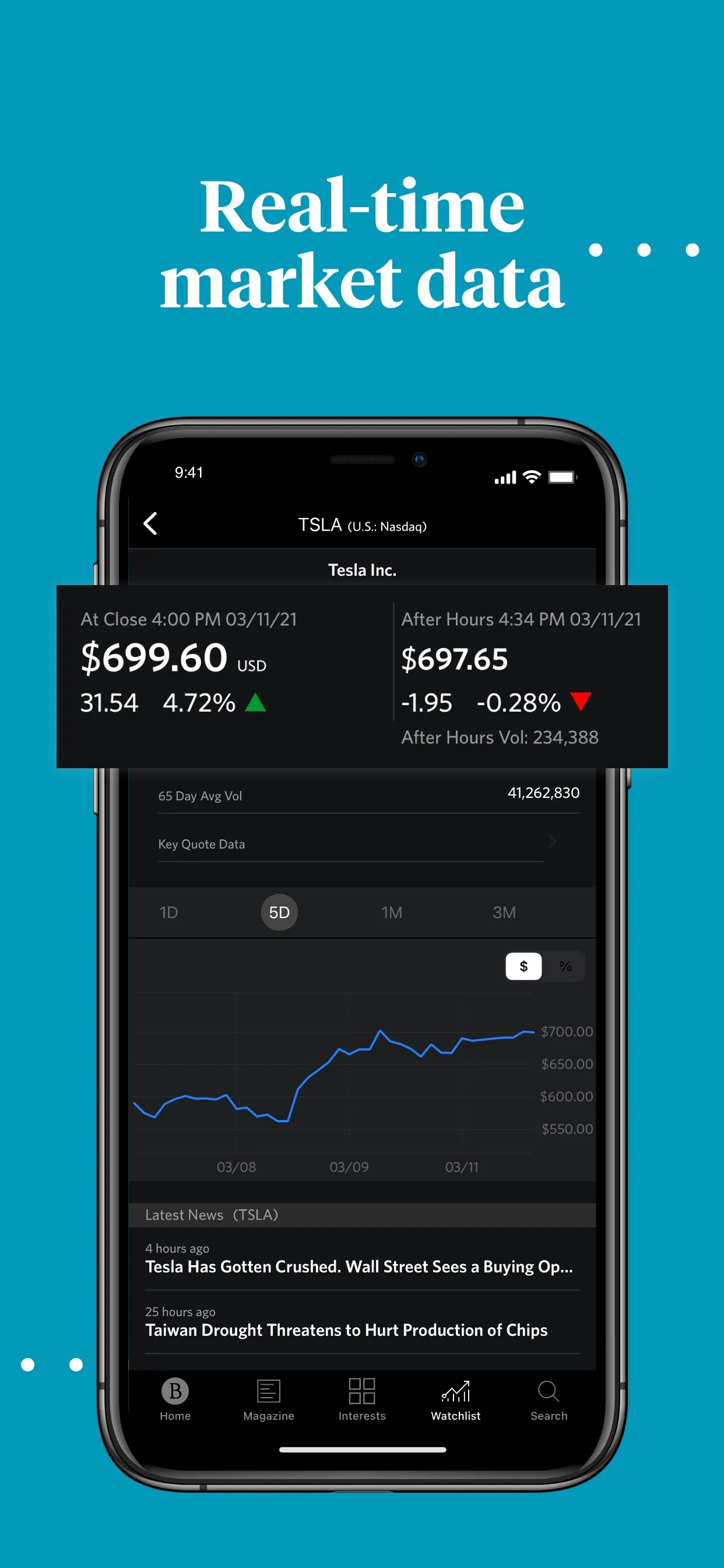
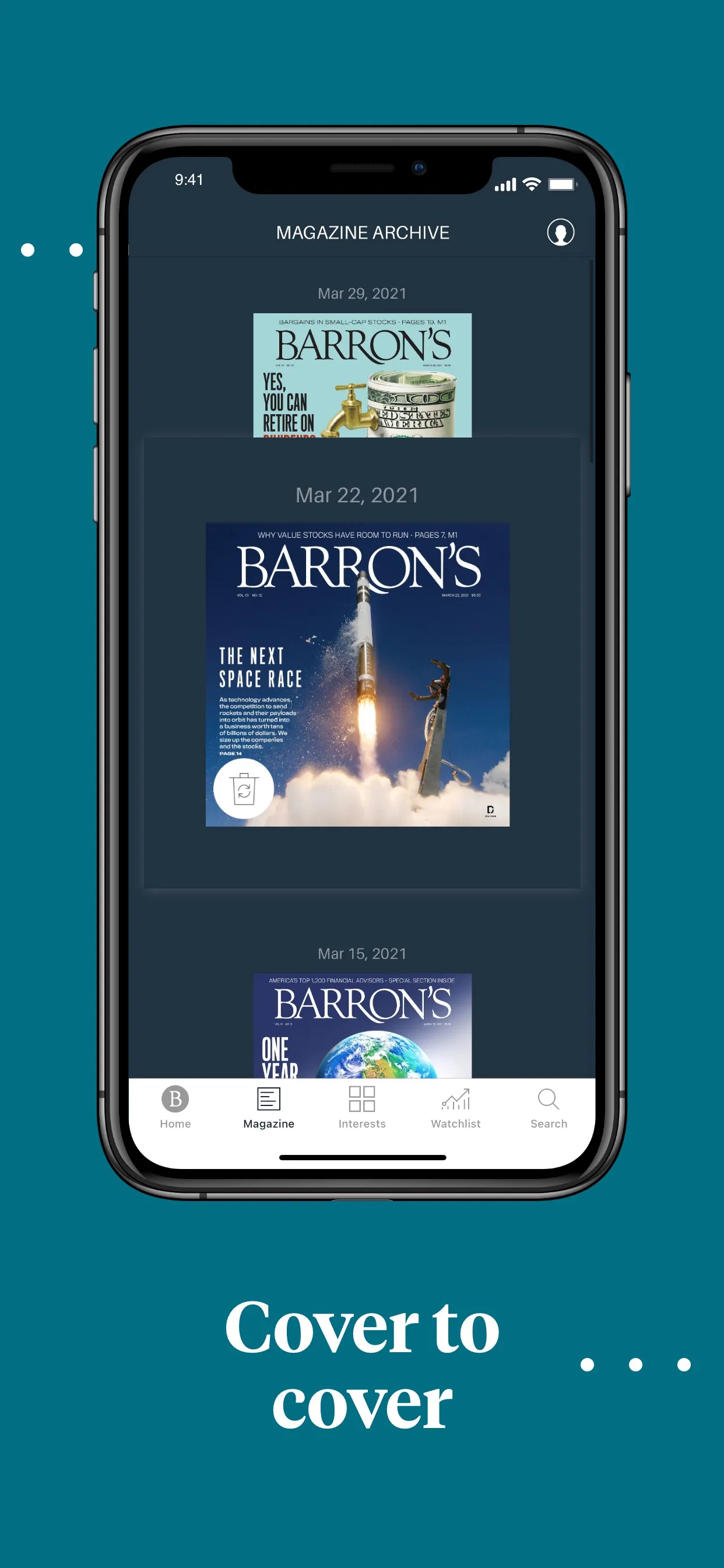
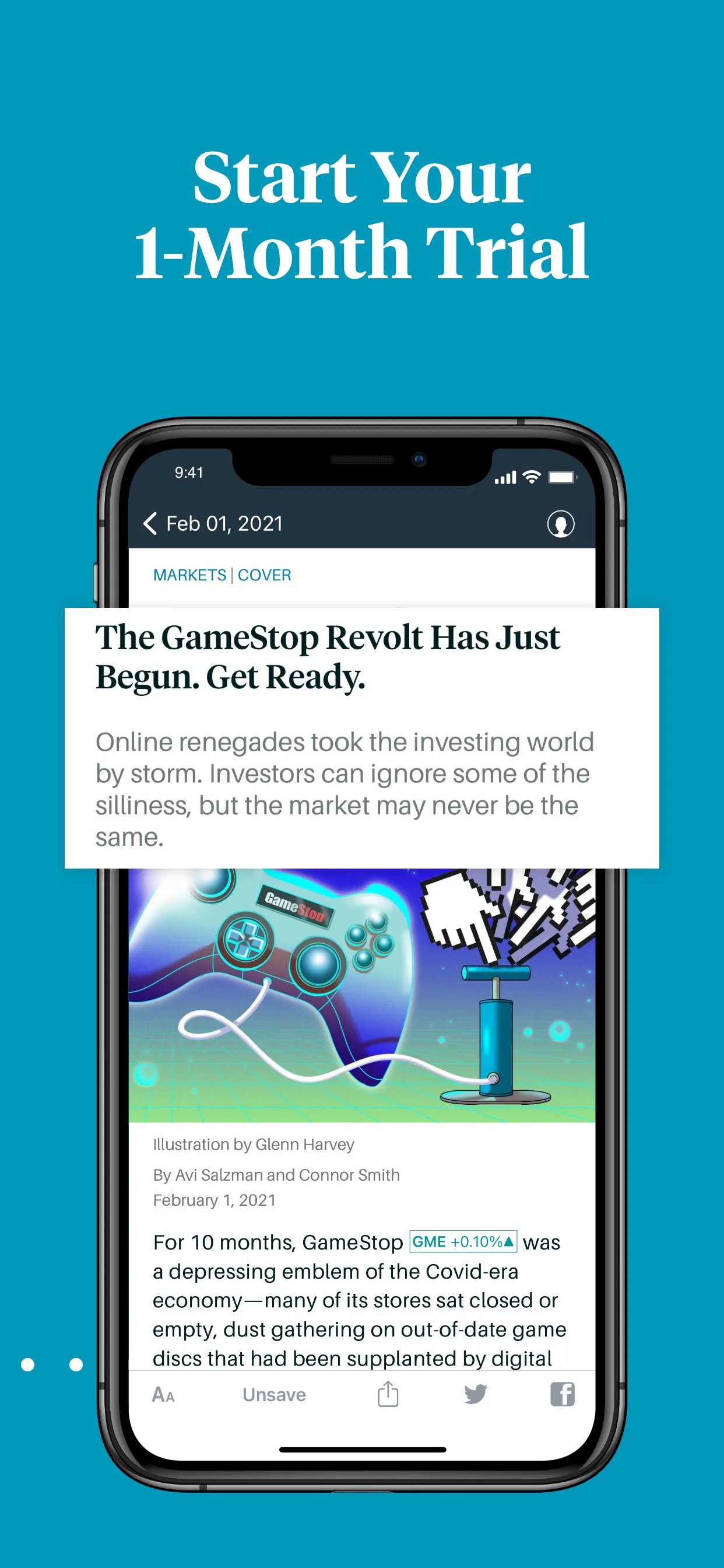
Each screen does a different job for a subscriber, and I read the roadmap against those jobs. The home and the Interests grid answer “what should I read now”. The watchlist and the quote page answer “what are my holdings doing”. The magazine archive carries the publication itself. The article view, with its trial offer, is where a reader becomes a subscriber. A change that helps one job at the cost of another is a trade I want made in the open, not discovered in the reviews.
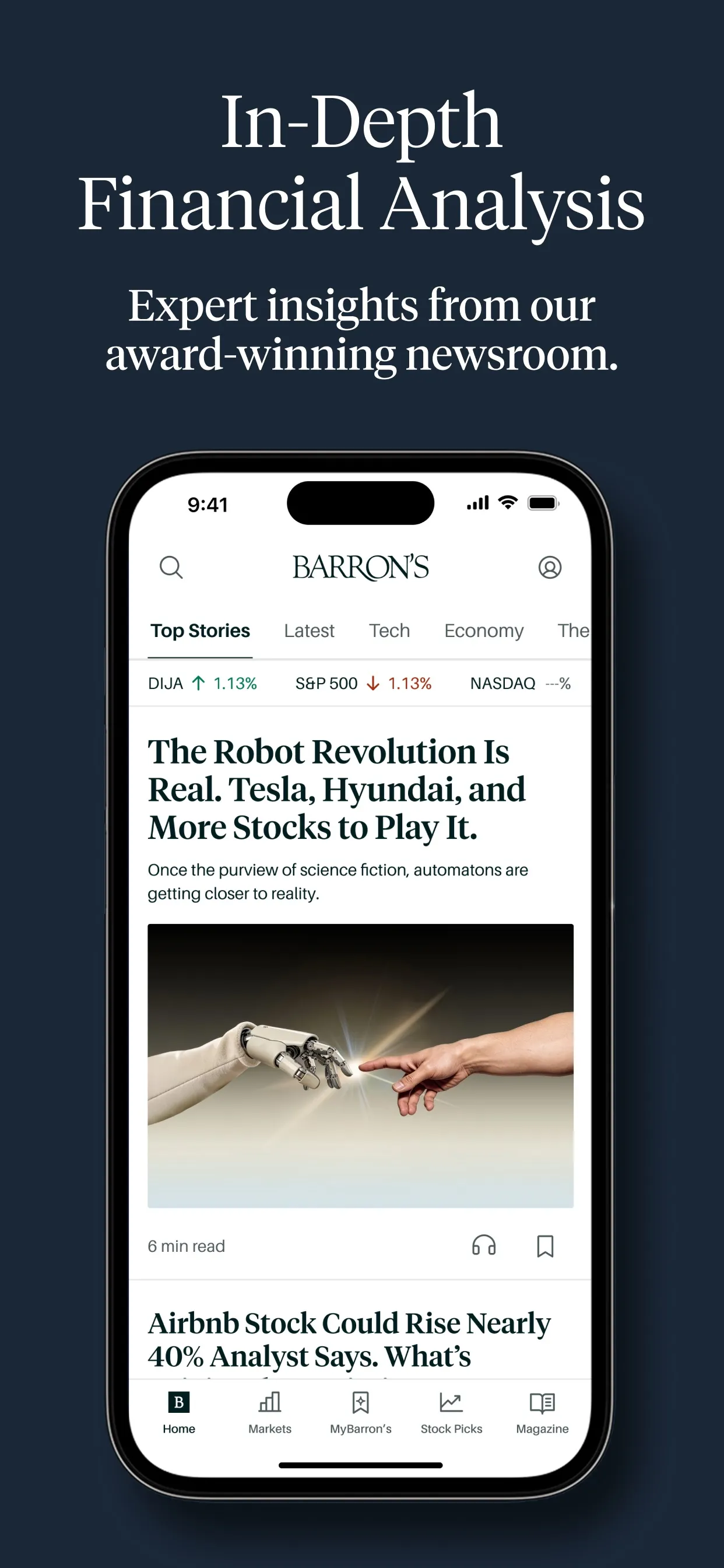
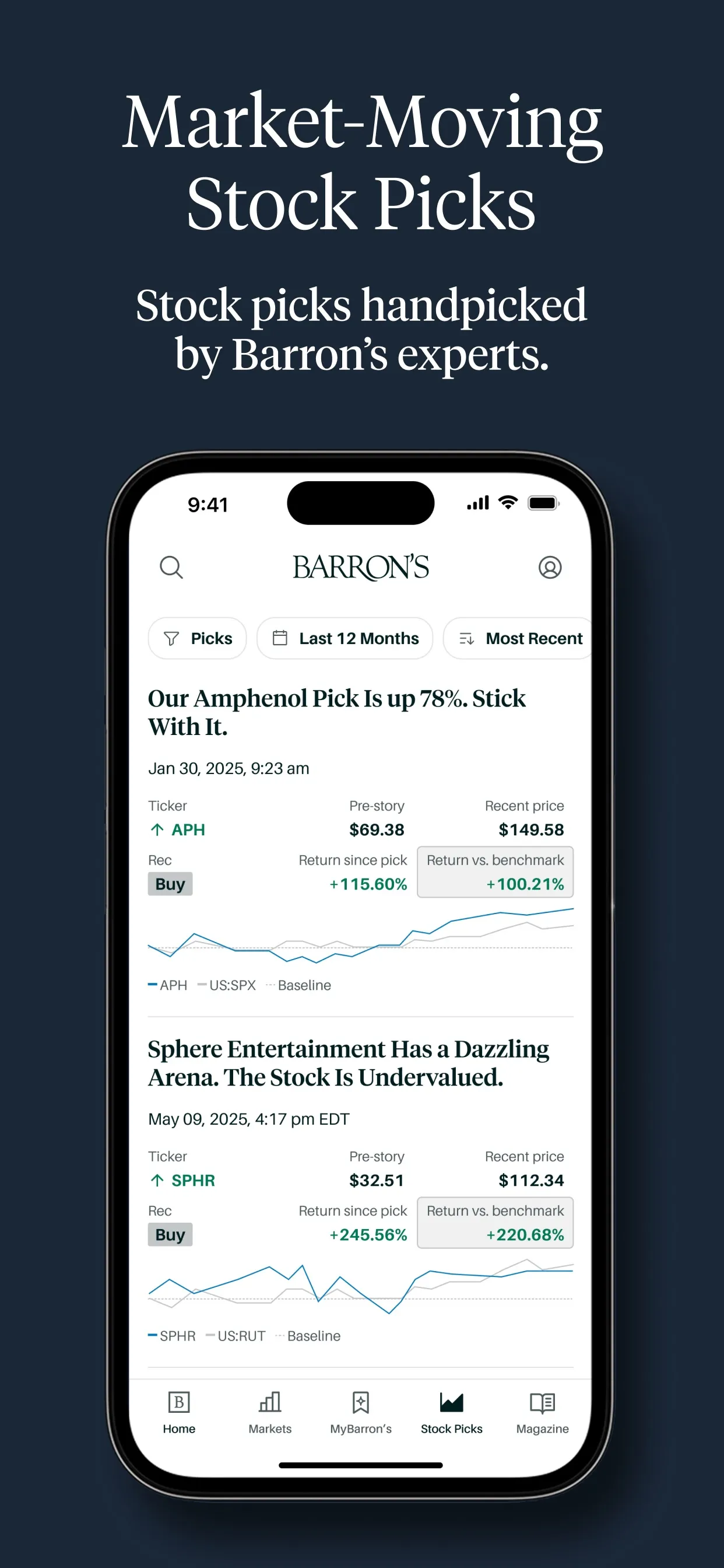
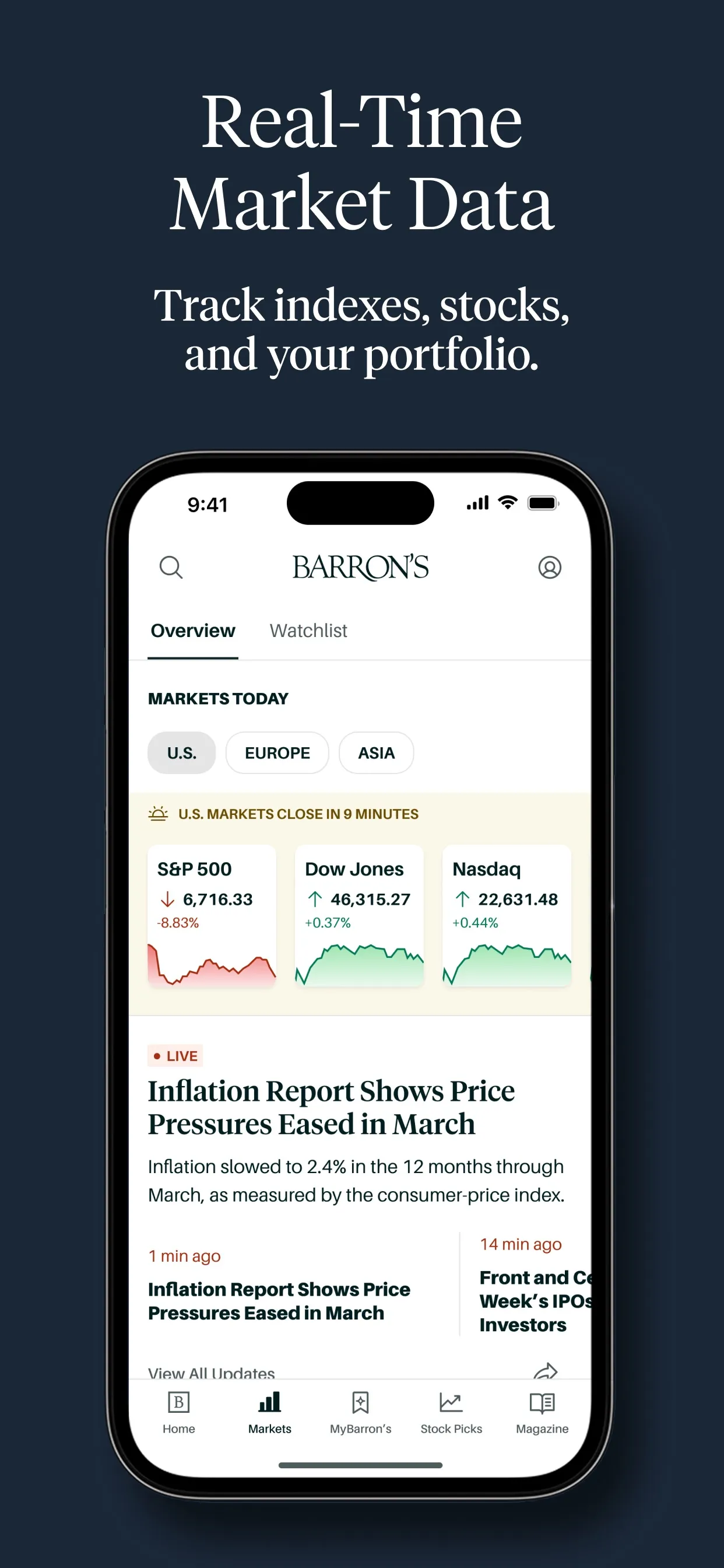
For comparison, this is the listing in 2026. It is after my time and none of it is my work. It is here so a reader can see where the product went after I left.
Execution
One product manager, five engineers, two platforms. The roadmap, the release plan and the store performance all ran through one person, and so did the trade-offs between them.
The work rarely stayed inside one app. At Dow Jones I worked in a 25-person cross-functional group and managed about two PMs, and the job included resolving dependencies across content, identity and subscription systems. Accounts, for example, were merged across Dow Jones’s brands, Barron’s among them, so an identity change was not only a Barron’s change.
Validation & results
How I judge an app from this seat comes down to three questions, read together. Is it healthy: stability on both platforms, and how quickly it opens. Is it used: how often subscribers come back, and what they read and track when they do. And how does it show up in the stores: the direction of the rating and what the reviews are about, more than how many there are.
I watch them together because each one alone misleads. A release can lift engagement and still cost rating if it ships unstable, and a clean stability record means little if subscribers stop opening the app. App-store performance was the part named as mine, so the store is where I start when I read a release.
Reflection
In a sole-PM seat there is no one to hand a trade-off to. Every yes to a feature is a no to some piece of platform work, and the engineers know exactly which. What I take from it is to make that trade visible early, with the reasoning attached, so the team and the business argue about the ranking rather than about surprises. In a seat like this, the health metrics belong in front of stakeholders from the first week, next to the feature roadmap, so the case for platform work doesn’t have to be made again at every release.